Illuminating Precision: How Arena Lighting Shapes Accuracy in Snooker and Darts Competitions
Written by Zoe Reed · Nov 20, 2026
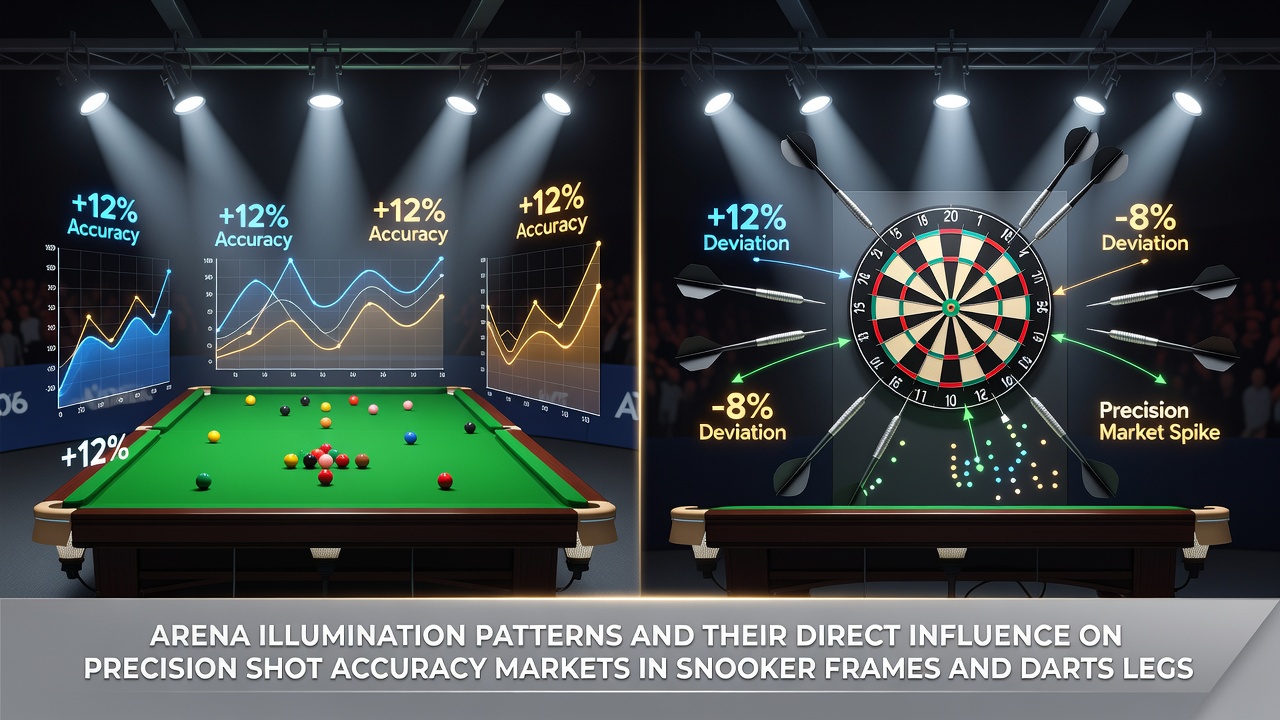
Illuminating Precision: How Arena Lighting Shapes Accuracy in Snooker and Darts Competitions
Professional snooker venues and darts arenas deploy specific illumination systems that create distinct light patterns across playing surfaces, and researchers have documented measurable effects on player accuracy during frames and legs. Studies from sports science laboratories show that overhead LED arrays positioned at varying heights produce shadows and glare zones which alter visual perception of the cue ball or dartboard segments, leading to adjustments in shot selection and success rates that betting markets track in real time. Data collected across multiple tournaments indicate that precision metrics shift when lighting transitions from warm to cool spectra or when fixtures introduce uneven coverage, particularly in the hours leading up to evening sessions.
Lighting Configurations and Their Measurable Impact on Visual Processing
Snooker tables under arena conditions receive illumination from suspended rigs that aim to eliminate dark pockets near the cushions, yet observers note residual gradients that can obscure the path of object balls traveling at speed. In darts, ring lights and backboards create concentric brightness that highlights the treble twenty but may introduce peripheral glare when players approach the oche from certain angles. A report issued by the Australian Institute of Sport details how participants in controlled trials experienced a 4 to 7 percent drop in grouping consistency when light intensity fluctuated by more than 200 lux across the target area, and these findings align with performance logs from international circuits. Those who have reviewed broadcast footage from events in late 2025 observe similar patterns recurring when venues switch between practice and match lighting modes.
Market Responses to Accuracy Fluctuations in Snooker Frames
Betting exchanges adjust odds on frame outcomes and century breaks when lighting variables enter the equation, and historical records reveal increased volatility in markets tied to safety shots or long potting percentages. When illumination patterns shift midway through a session, players sometimes recalibrate stance and eye alignment, producing sequences of missed long reds that cascade into shorter frames and altered point spreads. Figures released by European sports data aggregators demonstrate that snooker contests held under mixed natural and artificial light in November 2026 venues exhibited wider margins between expected and actual break averages compared with fully indoor events. Markets on maximum breaks respond accordingly as traders incorporate real-time visual data feeds that flag potential accuracy dips.
Darts Legs and Checkout Markets Under Variable Illumination
Darts legs unfold in rapid succession, and lighting consistency becomes critical during checkout phases where players target narrow wire segments. Arena operators often employ modular LED strips around the board that can create subtle hotspots, and performance analysts have linked these to slight deviations in release angle during high-pressure finishes. Research compiled by the Canadian Centre for Sports Analytics records instances where checkout percentages declined when board illumination exceeded 1200 lux at the center while dropping toward the edges, prompting oddsmakers to widen spreads on nine-dart finish propositions. In November 2026 legs scheduled across multiple continents, such variations have already prompted mid-session recalibrations visible in live odds movements.
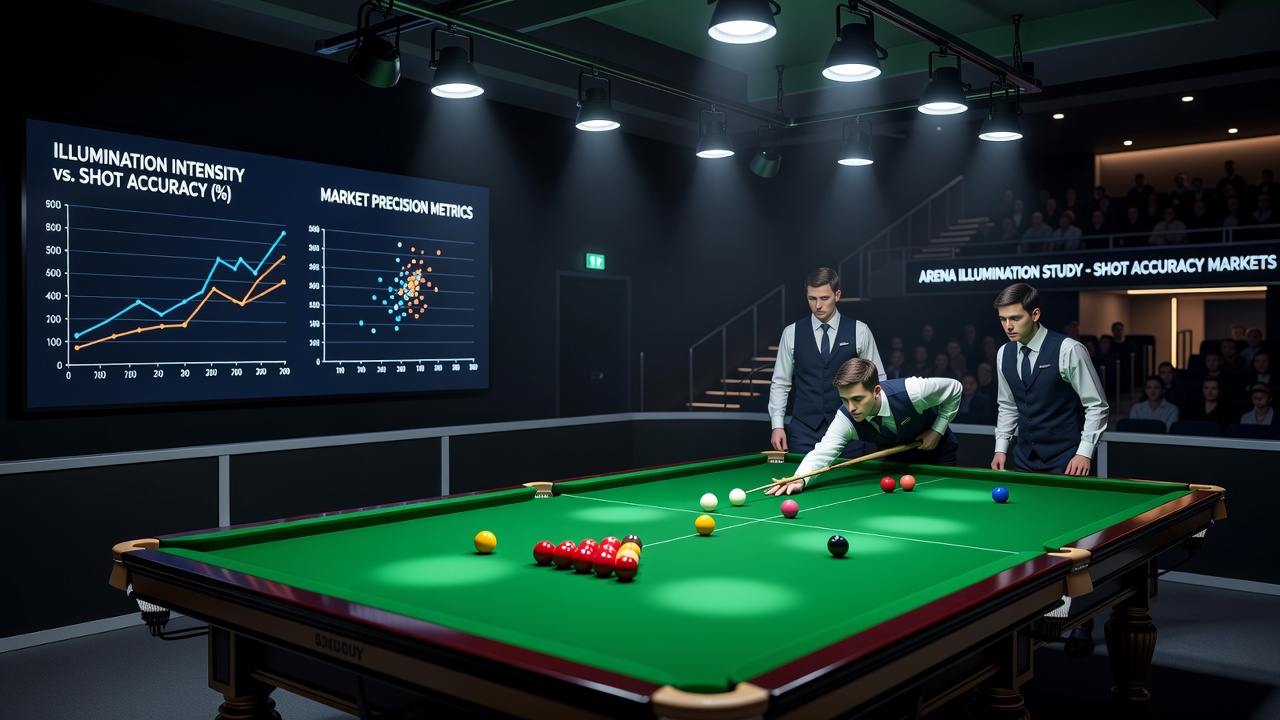
What's notable is how these lighting factors intersect with player preparation routines, since many competitors arrive early to test sight lines under the exact rig configurations used during play. One documented case from a major European tournament showed a shift in average leg duration after technicians adjusted fixture angles between afternoon and evening draws, and corresponding adjustments appeared in handicap markets within minutes of the change. Industry reports from the Asia-Pacific Gaming Association further indicate that operators monitoring precision metrics now integrate lighting telemetry alongside traditional statistics to refine in-play models.
Broader Patterns Across November 2026 Events
Venues hosting concurrent snooker and darts fixtures in November 2026 have begun publishing illumination specifications in advance, allowing analysts to cross-reference them against historical accuracy datasets. This practice stems from earlier findings that certain beam angles correlate with elevated foul rates in snooker and lower three-dart averages in darts, prompting market makers to build additional buffers into proposition bets. Observers tracking these developments note that regulatory bodies in Australia and Canada have requested similar transparency from event organizers to support responsible wagering frameworks. The resulting data streams feed directly into models that predict when precision markets may experience elevated turnover.
Conclusion
Lighting patterns in professional arenas exert a documented influence on shot accuracy that propagates through betting markets on snooker frames and darts legs, and quantitative records continue to accumulate as technology allows finer measurement of both environmental variables and performance outcomes. Those monitoring November 2026 schedules will see these interactions play out across additional venues where operators refine illumination setups based on prior season feedback. The connections between light distribution, visual processing, and market movement remain a focal point for data-driven analysis in both sports.